
Sorry, nothing in cart.
Ivabradine for Heart Rate Control: What You Should Know
Introduction
An elevated resting heart rate can be more than just an uncomfortable sensation — in certain heart conditions, it places extra strain on a heart that’s already working harder than it should. Ivabradine, available as Ivasmart, is a medication specifically designed to lower heart rate without many of the broader effects that come with traditional heart rate medications like beta-blockers. Here’s a detailed look at how it works and who it’s for.
How Ivabradine Works
To understand Ivabradine, it helps to understand a small structure in the heart called the sinoatrial (SA) node — the heart’s natural pacemaker, which generates the electrical signal that sets your heart rate. This signal depends partly on specialized ion channels called “funny channels” (If channels) that control how quickly the SA node fires.
Ivabradine selectively blocks these funny channels in the SA node, slowing the rate at which the heart’s natural pacemaker fires. This is a fundamentally different mechanism from beta-blockers, which work by blocking adrenaline’s effects on the heart more broadly, or calcium channel blockers, which affect blood vessel tone and heart muscle contraction alongside heart rate. Because Ivabradine’s action is specific to the SA node’s rate-setting function, it lowers heart rate without directly affecting blood pressure, heart muscle contraction strength, or the heart’s electrical conduction system in the same way other rate-control medications do.
What Ivabradine Is Used For
- Chronic heart failure with a resting heart rate that remains elevated despite other standard treatments, in people who are in normal heart rhythm (sinus rhythm)
- Stable angina (chest pain related to reduced blood flow to the heart), particularly in people who can’t tolerate beta-blockers or need additional heart rate control beyond what beta-blockers alone provide
- Inappropriate sinus tachycardia, a condition involving a persistently and inappropriately elevated heart rate, in some cases
Ivabradine is generally used alongside other standard heart failure or angina treatments, not as a standalone replacement for them — it adds targeted heart rate control to an existing treatment plan.
Why Heart Rate Matters So Much in Heart Failure
In heart failure, the heart already struggles to pump blood effectively. A faster heart rate means less time for the heart’s chambers to fill between beats, which can reduce how much blood is pumped per beat and increase the heart’s oxygen demand at the same time. Studies have shown that in people with heart failure and an elevated resting heart rate, lowering that heart rate with Ivabradine — even while already on standard therapy — can reduce hospitalizations related to worsening heart failure.
Common Side Effects
- Luminous phenomena (phosphenes): A distinctive and relatively common side effect — temporary visual brightness, light flashes, or halos, particularly noticeable with sudden changes in light. This is thought to relate to similar ion channels present in the retina and usually resolves without lasting vision effects, though it should always be reported to your doctor.
- Bradycardia (excessively slow heart rate): Since slowing heart rate is the whole point of the medication, going too low is a recognized risk that requires monitoring, especially when starting or adjusting the dose.
- Headache
- Dizziness
- Atrial fibrillation: A slightly increased risk of this irregular heart rhythm has been observed in clinical trials, making regular monitoring important.
Who Should Be Cautious or Avoid It
Ivabradine isn’t appropriate for everyone. It’s generally avoided or used with significant caution in people with:
- A resting heart rate that’s already low before starting treatment
- Existing atrial fibrillation or other significant heart rhythm disorders
- Severe liver impairment, since the medication is processed by the liver
- Unstable cardiac conditions, such as a recent heart attack within the past weeks
- Pregnancy or breastfeeding, due to insufficient safety data
Important Drug Interactions
Ivabradine is metabolized by a specific liver enzyme (CYP3A4), which means several other medications can meaningfully raise or lower its levels in the blood:
- Strong CYP3A4 inhibitors (certain antifungal medications, some antibiotics like clarithromycin, and some HIV medications) can raise Ivabradine levels significantly and are generally avoided in combination.
- Other heart rate-lowering medications, including beta-blockers, verapamil, and diltiazem, can have an additive effect on heart rate — this combination is sometimes used intentionally under close medical supervision, but requires careful monitoring.
- Grapefruit juice can also affect how the body processes Ivabradine and is typically advised against during treatment.
Monitoring During Treatment
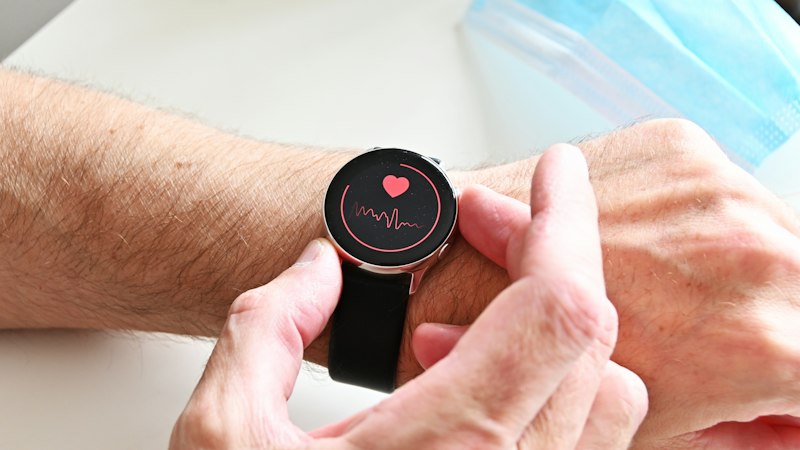
Regular heart rate monitoring is a standard part of Ivabradine treatment, both to confirm the medication is working as intended and to catch excessive heart rate reduction early. Many doctors recommend periodic resting heart rate checks, whether through a home monitor, a smartwatch with heart rate tracking, or in-office checks, especially during the initial dose-finding period.
Starting and Adjusting Treatment
Ivabradine is typically started at a low dose and adjusted based on resting heart rate response, with the goal of reaching a target heart rate range rather than a fixed dose — meaning your specific dose is tailored to how your heart rate actually responds, which can take a few weeks of monitoring and adjustment to settle into.
Living With a Heart Rate-Lowering Medication
Some people notice they feel their heart “working differently” when first starting Ivabradine, even without classic side effects — this is a normal adjustment period. Significant dizziness, fainting, or a heart rate that feels unusually slow should always be reported promptly rather than waited out.
Conclusion
Ivabradine offers a targeted way to lower heart rate in heart failure and certain angina conditions, working through a distinct mechanism from traditional heart rate medications. Its selective action on the heart’s natural pacemaker makes it a valuable addition to standard therapy for the right patients, but it requires careful monitoring — particularly around heart rate, vision-related side effects, and drug interactions — to use safely and effectively.
This article is for informational purposes only and is not medical advice. Ivabradine should only be used under the guidance of a cardiologist or prescribing physician, with appropriate monitoring throughout treatment.