
Sorry, nothing in cart.
Is Fenbendazole Harmful to People?
Fenbendazole has gone from a routine veterinary dewormer to one of the most talked-about “alternative” cancer remedies online. Viral testimonials and social media posts have convinced many people to try this animal medication in hopes of treating serious illness. But before considering it, it’s worth asking the more basic question: is fenbendazole actually safe for people?
What Is Fenbendazole?
Fenbendazole is an antiparasitic drug developed in the 1970s and used widely in veterinary medicine to treat worm infections in dogs, cats, livestock, and other animals. It works by disrupting the internal structure of parasite cells, effectively starving and killing them. It is sold as a powder, paste, or tablet, and it is manufactured and regulated exclusively for animal use.
Where Did the Human-Use Claims Come From?
Fenbendazole’s reputation as a possible cancer treatment largely traces back to a single, widely shared personal story of a man who claimed the drug helped put his cancer into remission. That story spread rapidly online and inspired many cancer patients to try fenbendazole themselves. However, the man who popularized this story was also receiving proven cancer treatment at the same time he was taking fenbendazole, which makes it impossible to know which treatment, if either, was responsible for his outcome.
Laboratory research has added some scientific intrigue to the story. Certain lab studies have found that fenbendazole can interfere with cancer cell growth in petri dishes and in some animal models. But findings from a petri dish don’t reliably predict what will happen inside a living person, and many substances that show promise in the lab go on to fail, or cause harm, in real patients.
Is There Real Clinical Evidence in Humans?
As of now, the honest answer is: not really. No regulatory body, including the FDA or the European Medicines Agency, has approved fenbendazole for use in humans, and there are no completed clinical trials establishing that it is safe or effective for treating cancer in people. The evidence that exists is preclinical, meaning it comes from lab and animal studies rather than controlled human research.
Adding to the uncertainty, some of the human evidence that did circulate has since fallen apart under scrutiny. A 2025 case series that described three apparent cancer responses to fenbendazole was formally retracted in January 2026, undermining one of the few published sources cancer patients had pointed to as support.
What Are the Safety Concerns?
Because fenbendazole was never designed or tested for human bodies, several safety issues come into play:
Liver Injury
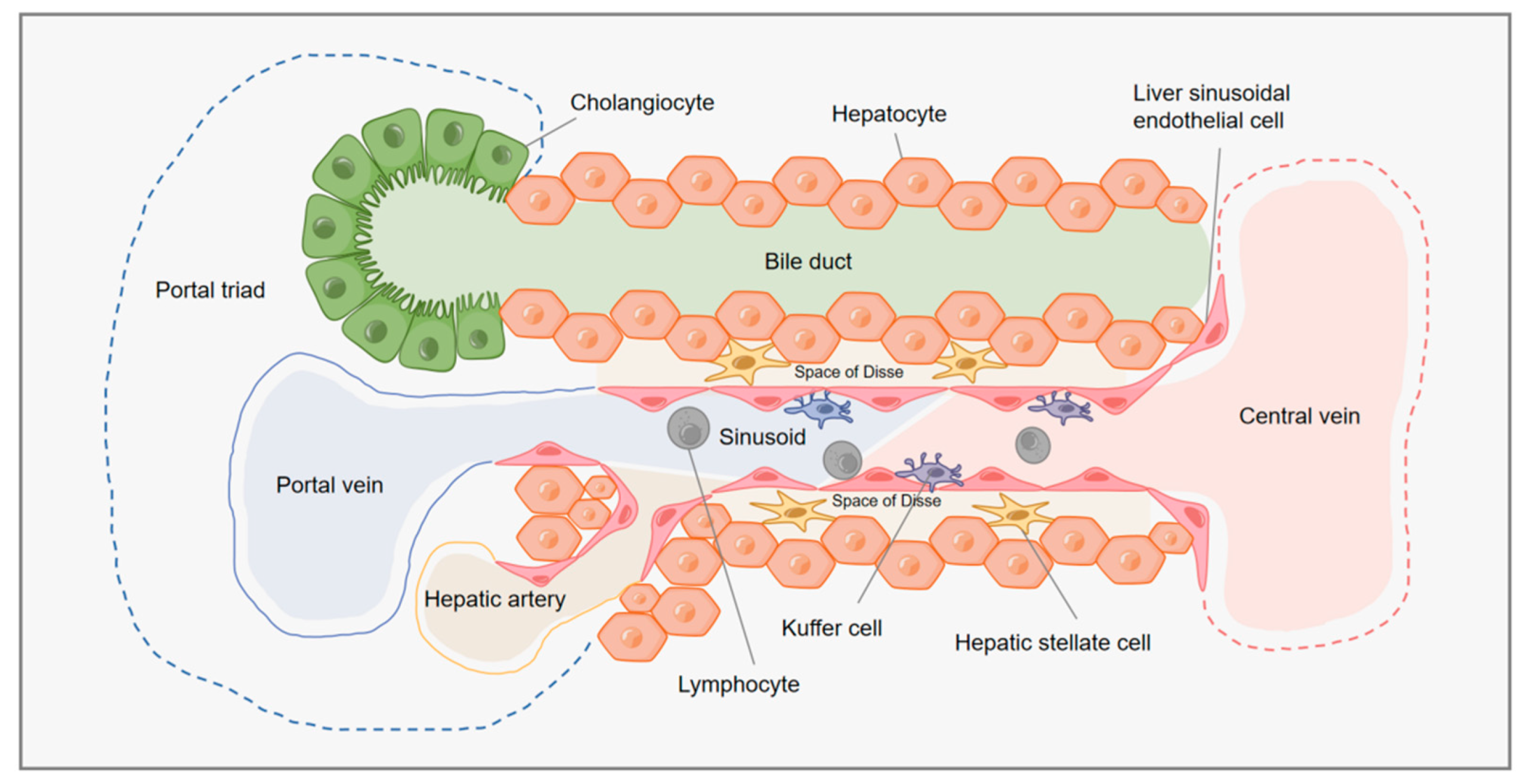
The most serious documented risk is liver damage. The first documented case of severe drug-induced liver injury linked to self-administered fenbendazole involved a 67-year-old woman, whose liver function eventually normalized after she stopped taking the drug. Additional cases of liver toxicity have also been reported in people who took fenbendazole outside of medical supervision.
No Established Human Dosing
Veterinary products are formulated and dosed for animal body weights and physiology, not for humans. Fenbendazole has no approved human dose, no standardized formulation, and no monitoring framework, and product quality varies widely depending on where it is sourced. This means anyone taking it is essentially guessing at a safe amount. This is a common pitfall with any unapproved or off-label drug use — you can see a similar breakdown of risk in our article on whether Modafinil is bad for your heart, another case where dosage and monitoring matter as much as the drug itself.
Immune and Blood Effects
Long-term or high-dose use has also been associated with suppression of white blood cells and bone marrow activity, which can weaken the immune system and create additional health risks, particularly for people who are already immunocompromised from illness or other treatments.
Delaying Proven Treatment
Perhaps the least discussed but most important danger isn’t a direct side effect at all. Doctors have expressed concern that patients who turn to fenbendazole may delay or skip treatments that are actually proven to work, allowing a disease like cancer to progress while they wait to see if an unproven remedy helps.
Is It Legal to Buy?
Fenbendazole itself is not illegal to purchase, since it’s sold openly as an animal medication. However, it is not legal for anyone to market or sell it specifically as a human cancer treatment, and doing so can carry legal consequences. Every product bottle is labeled for animal use only, and physicians cannot legally prescribe it to treat human disease.
Should You Try It?
Based on the current evidence, medical experts are largely united in discouraging unsupervised use of fenbendazole in humans. The mix of a single unverified success story, encouraging but incomplete lab data, at least one retracted study, and multiple documented cases of liver injury adds up to a picture of a drug that simply hasn’t been proven safe or effective for people, whatever its potential.
Anyone seriously considering it, especially cancer patients weighing it against standard care, should have an open conversation with their doctor first. If you’re concerned about a possible cancer diagnosis, read our guide on what to do if you think you have lung cancer for the proper first steps to take. A physician can help weigh the actual risks, watch for warning signs like liver problems, and make sure that trying fenbendazole doesn’t come at the cost of a treatment that is already known to work.
The Bottom Line
Fenbendazole was built to deworm animals, not to treat disease in people. While early lab research has kept scientific curiosity alive, that curiosity hasn’t yet translated into real proof of human safety or benefit. Until proper clinical trials are conducted, the responsible approach is caution: this is a promising research lead, not a ready-made human treatment.
This article is for informational purposes only and is not medical advice. Please consult a qualified healthcare professional before making any decisions about treatment.