
Sorry, nothing in cart.
Flurbiprofen Eye Drops: Uses for Eye Inflammation
Introduction
Eye inflammation can show up after surgery, injury, or certain eye conditions, and left unmanaged, it can slow healing and cause discomfort that interferes with daily life. Flurbiprofen eye drops, sold as Ocuflur, are a non-steroidal anti-inflammatory (NSAID) treatment used to manage inflammation and related symptoms in the eye. Here’s a detailed look at how they work and how to use them correctly.
How Flurbiprofen Eye Drops Work
Flurbiprofen belongs to the same general drug family as oral NSAIDs like ibuprofen, but formulated specifically for topical use in the eye. It works by inhibiting an enzyme called cyclooxygenase (COX), which is involved in producing prostaglandins — compounds that drive inflammation, pain signaling, and, in the eye specifically, pupil constriction during certain procedures. By blocking this pathway locally, Flurbiprofen reduces inflammation, swelling, and discomfort directly at the site rather than affecting the whole body the way an oral anti-inflammatory would.
What Flurbiprofen Eye Drops Are Used For
- Preventing miosis (pupil constriction) during eye surgery: One of the most common uses, helping keep the pupil dilated during procedures like cataract surgery where a wide pupil is necessary.
- Managing post-surgical inflammation: Reducing swelling and discomfort in the recovery period following eye procedures.
- Certain inflammatory eye conditions, where reducing prostaglandin-driven inflammation provides symptom relief.
It’s worth noting that Flurbiprofen eye drops are not typically the first choice for general eye irritation, allergies, or dry eye — these are usually better addressed with other, more targeted treatments. Flurbiprofen’s role is specifically tied to inflammation management, often in a surgical or procedural context.
How to Use Eye Drops Correctly
Proper technique matters more than people often realize, both for effectiveness and to avoid contamination:
- Wash your hands thoroughly before handling the bottle or touching your eye area.
- Tilt your head back slightly and pull down your lower eyelid to create a small pocket.
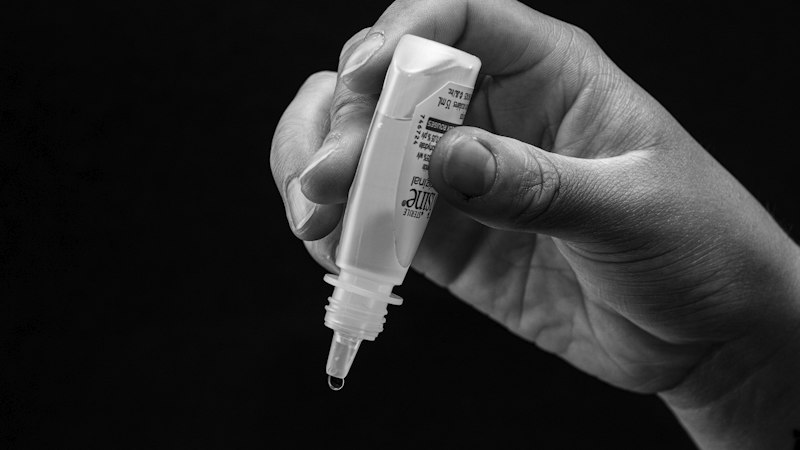
- Hold the dropper close to the eye without letting it touch your eyelashes, skin, or eye surface, to avoid contaminating the bottle.
- Apply the prescribed number of drops into the pocket, then close your eye gently for 1–2 minutes without blinking rapidly.
- Applying gentle pressure at the inner corner of the eye (near the nose) for about a minute can help reduce how much of the medication drains into your tear duct and gets absorbed systemically, which may reduce side effects and keep more of the medication working locally.
- If you use more than one type of eye drop, wait at least 5 minutes between different medications to avoid one washing out the other.
Common Side Effects
- Mild, temporary stinging or burning immediately after application
- Eye irritation or a sensation of something in the eye
- Temporary blurred vision right after application
- Increased sensitivity to light
- Mild redness
These effects are usually brief and well-tolerated. Persistent or worsening symptoms, significant pain, or vision changes that don’t resolve should be reported to your eye care provider promptly.
Less Common but Important Risks
NSAIDs used in the eye, including Flurbiprofen, carry a few risks worth being aware of, particularly with prolonged use:
- Delayed healing: NSAIDs can slow corneal healing in some cases, which is part of why they’re typically used for a defined, limited period around procedures rather than indefinitely.
- Corneal effects with extended use: Prolonged use, especially in people with underlying corneal conditions, dry eye, or who have had multiple eye surgeries, has rarely been associated with more serious corneal complications. This is why duration of use should always follow your doctor’s specific instructions.
- Cross-sensitivity with other NSAIDs: People with a known allergy to aspirin or other NSAIDs should flag this before starting Flurbiprofen eye drops.
Who Should Be Cautious
People with bleeding disorders, those on blood-thinning medications, and people with pre-existing corneal disease or a history of poor wound healing in the eye should discuss these factors with their prescribing doctor, as Flurbiprofen’s anti-inflammatory mechanism can theoretically interact with these conditions.
Contact Lenses and Eye Drops
If you wear contact lenses, check with your doctor about whether and when it’s safe to wear them during treatment — many eye drop regimens, particularly around surgical procedures, require removing contacts for a period before and after use.
Storage and Handling
Eye drop bottles should be kept tightly closed and stored as directed on the packaging — many require room temperature storage away from direct light. Avoid touching the dropper tip to any surface, including your eye, fingers, or countertops, since this is one of the most common ways eye drop solutions become contaminated with bacteria, which can then be introduced directly into the eye with each subsequent use.
When to Contact Your Doctor
Reach out promptly if you notice: increasing pain rather than improvement, significant vision changes, discharge from the eye, or any signs of an allergic reaction such as significant swelling or difficulty breathing. These aren’t typical and deserve evaluation rather than waiting it out.
Conclusion
Flurbiprofen eye drops are an effective, targeted tool for managing eye inflammation, particularly around surgical procedures, working through the same general anti-inflammatory mechanism as oral NSAIDs but applied locally. Using correct technique, following the prescribed duration, and watching for the less common but important risks around healing and corneal health all help ensure safe, effective use.
This article is for informational purposes only and is not medical advice. Please consult a qualified eye care professional before starting or changing any eye medication.