
Sorry, nothing in cart.
Armodafinil and Blood Pressure: What You Should Know
Introduction
Because Armodafinil affects the central nervous system, it’s reasonable to ask how it interacts with cardiovascular health, particularly blood pressure. Here’s what’s known.
How Armodafinil Can Affect Blood Pressure
Armodafinil can cause a mild to moderate increase in blood pressure and heart rate in some users, particularly at higher doses. For most healthy people, this increase is small and not clinically significant, but it’s a real, documented effect worth being aware of.
Who Should Be More Cautious
People with pre-existing hypertension, a history of heart arrhythmias, or other cardiovascular conditions should discuss Armodafinil carefully with their doctor before starting it. For a broader look at cardiovascular considerations with this drug family, see our guide on whether Modafinil-family medications are bad for your heart.
Monitoring Your Blood Pressure
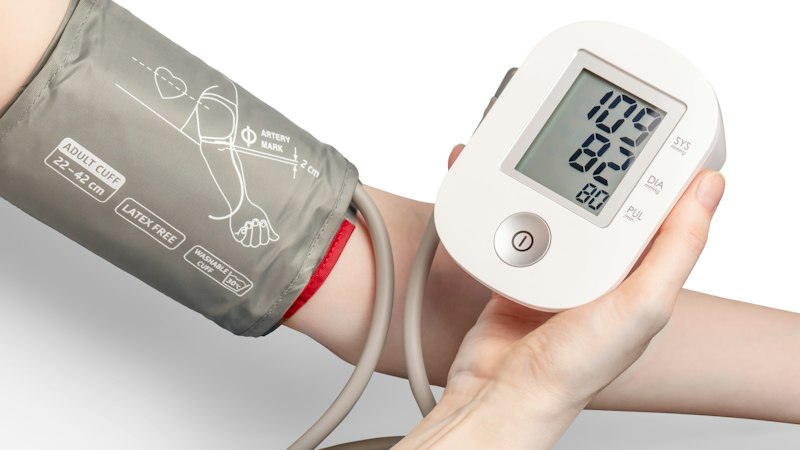
If you’re starting Armodafinil and have any cardiovascular risk factors, periodic blood pressure checks — either at a pharmacy, doctor’s office, or with a home monitor — can help catch any concerning changes early. This is particularly useful during the first few weeks of treatment or after a dose increase.
Compounding Factors
Certain habits can compound Armodafinil’s mild blood-pressure-raising effect:
- Combining it with excess caffeine, which independently raises blood pressure — a consideration also covered in our guide to substances that interact with Armodafinil
- High sodium intake or dehydration
- Chronic stress or poor sleep, both of which independently affect blood pressure
Warning Signs
Symptoms like severe headache, chest pain, blurred vision, or an irregular heartbeat while taking Armodafinil warrant immediate medical attention rather than being dismissed as ordinary side effects. These are distinct from the milder, more common effects covered in our guide to common Armodafinil side effects.
Conclusion
Armodafinil’s effect on blood pressure is generally mild for healthy users but worth monitoring, especially for anyone with existing cardiovascular risk factors. Regular check-ins with your doctor are the safest way to use it long-term.
This article is for informational purposes only and is not medical advice. Please consult a qualified healthcare professional before starting or changing any medication.