
Sorry, nothing in cart.
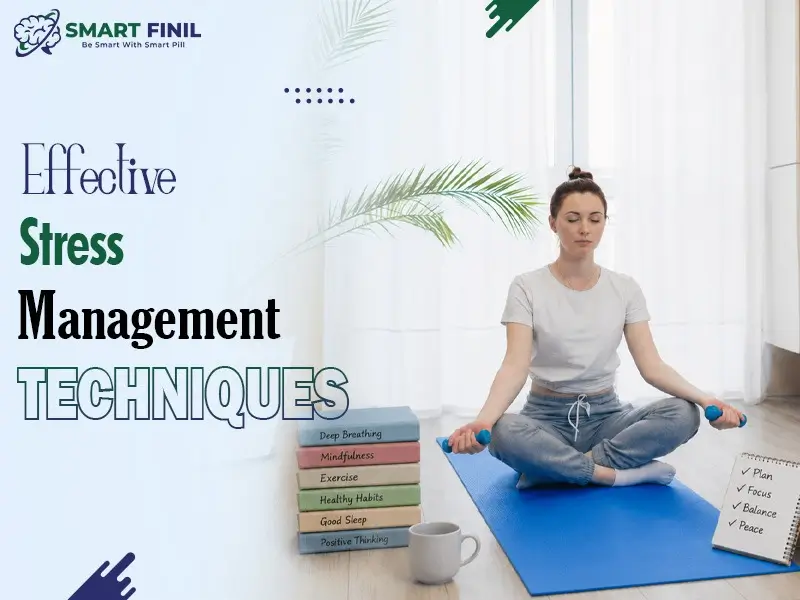
Effective Stress Management Techniques for Stress Relief
Stress is a usual part of everyone’s life. We all experience stress at some point due to financial concerns, work deadlines, family responsibilities, health issues, and other reasons. Short-term stress can surely help an individual stay motivated and alert. Chronic stress, on the other hand, may impact an individual’s physical, mental, as well as emotional well-being.
Effective stress management techniques may assist individuals in reclaiming self-control, improve their mood, boosting overall efficiency, and supporting their overall health. Stress triggers must be identified beforehand, and adopting healthy habits can always help lead a balanced and healthy life.
What Is Stress Management?
Stress management is the idea of a collection of techniques, coping strategies, and lifestyle changes for the reduction of stress and improvement of emotional resilience.
Elimination of stress completely is possible, but the way an individual responds to stress can and should be managed effectively.
Proper nutrition, relaxation exercises, enough sleep, mindful practice, and building supportive relationships can help with stress management.
Why Stress Management Is Important
Stress management is significant for both physical and mental health. Chronic stress is responsible for the release of stress hormones, which include adrenaline as well as cortisol. These concerns may contribute to future health apprehensions.
Management of stress can benefit individuals with reduction of anxiety, emotional exhaustion, improvement of concentration, promotion of better cardiac health, support of stronger immune systems, enhancement of emotional stability, mood, boosting of productivity, strengthening of personal relations, reduction of burnout risks, etc.
7 Effective Stress Management Techniques
There are a few very operative techniques that can assist individuals with stress management, and they include:
Deep Breathing Exercises
One of the most beneficial relaxation techniques, deep breathing, often helps a lot when an individual is stressed. In such conditions, breathing often becomes shallow and fast. When you practice controlled forms of breathing, the parasympathetic nervous system is triggered, and the body gets time for natural relaxation.
Benefits include a lowering of heart rate, calming down of anxiety, reduction of BP, enhancement of focus, and assistance during panic attacks.
Stay Physically Active
Workouts are one of the most beneficial natural stress relievers. Physical activities help stimulate endorphin release and are identified as hormones that make the body feel good. These are helpful in reducing tension and improving mood. Intense workouts are not needed to experience such benefits.
Brisk walking, yoga, swimming, cycling, strength training, stretching, and dancing are good forms of exercise that benefit. 150 minutes of adequate exercise every week is capable of benefitting patients and are usually suggested by experts.
Get Quality Sleep
Stress and poor sleep are harmful. Stress makes it tough for a person to get sufficient and sound sleep. When sleep is not adequate, it tends to boost the stress response of the concerned person. Adults usually need 7-9 hours of quality sleep every night. Maintain a consistent schedule, avoid longer screen duration ahead of bedtime, and let your body relax much before sleep.
Quality sleep can help restore brain function, improve emotional regulation, reduce daytime fatigue, enhance memory, and support immune health. Maintenance of emotional resilience is possible with good sleep.
Read More: Sleep Hygiene Tips for Better Sleep
Eat a Healthy, Balanced Diet
Nutrition impacts emotional health and brain function. Stress symptoms may be worsened with the intake of excessive sugar, processed foods, and caffeine. The major focus should be on nutrient-rich food intake that helps support the nervous system of an individual.
Whole grains, seeds, nuts, leafy greens, fresh fruits, yogurt, eggs, legumes, and beans are stress-friendly foods. Hydration is important, too.
Benefits include stabilization of energy levels, reduction of inflammation, improvement of mood, support of brain health, and enhancement of overall health and wellness.
Practice Mindfulness and Meditation
Being optimistic in the current time without any kind of judgment is called mindfulness. Meditation can help the brain calm down, reduce anxiety, and lower the emotional load. 10 minutes of meditation can offer great improvement.
Body scan, mindful breathing, progressive muscle relaxation, and gratitude journaling are some of the popular mindfulness practices.
Manage Your Time Effectively
Poor management of time can boost stress and build unnecessary pressure. Avoid multitasking, prioritize tasks, create to-do lists, set realistic deadlines, break larger projects into smaller ones, and schedule regular breaks.
Benefits include reduction of procrastination, work-life balance, improvement of productivity, lowering of anxiety, building up of confidence, etc.
Build Strong Social Connections
Meaningful relationships are beneficial. Emotional support is enhanced through communication and relieves stress. Resilience can be improved with a strong social network.
Volunteer, join community groups, attend social events, and stay connected. Benefits include improvement of emotional well-being, reduction of feelings of isolation, building up of confidence, provision of practical support, and encouragement of healthy coping.
Additional Healthy Habits for Stress Relief
Primary techniques mentioned above are beneficial, but several daily habits can support stress management.
Take a digital detox: Constant social media can contribute to episodes of mental fatigue. Limiting screen time, turning off notifications, avoiding the phone before bedtime, etc. can help. Reducing the digital overload can help the body rest.
Spend time outdoors: Nature helps calm the body. Certain activities like gardening, hiking, and simply sitting outdoors can help lower stress hormone levels, increase vitamin D exposure, improve mood, promote relaxation, and enhance creativity.
Enjoy hobbies: Perform activities you enjoy. Doing things that interest you helps get a healthy escape from the daily pressures of life. Examples of such hobbies may include painting, reading, cooking, music, crafting, photography, playing sports, or learning new skills.
The idea is to encourage relaxation and boost self-confidence and creativity.
When to Seek Professional Help
Daily stress may be common, but persistent stress may demand professional help. Consult a licensed mental health provider or a healthcare professional if you find yourself struggling with:
- Frequent panic attacks
- Long-lasting stress (for weeks)
- Persistent grief
- Regular anxiety
- Issues with functioning at home or work
- Changes in appetite or sleep
- Suicidal thoughts or self-harm
Treatment may include cognitive behavioural therapy (CBT), counselling, medication, and stress management programs. Healthcare professionals may also evaluate certain sleep disorders and deep-rooted medical situations that might add to stress.
Conclusion
Stress management is an ongoing process. It involves adopting healthy lifestyle choices and developing positive coping skills. Deep breathing, quality sleep, balanced nutrition, mindfulness, and preserving reliable social networks can assist in reducing stress. Seek professional help when stress becomes persistent, severe, and lasts for weeks.
Browse Smartfinil.com to get adequate information on medicines or drugs used to combat symptoms of stress and anxiety. You can get promising information related to mental health and mental wellness, and proper guidance towards diagnosis and treatment.